
Jaw pain and recurring headaches can sometimes be connected to problems involving the temporomandibular joint (TMJ) and surrounding muscles. These symptoms may make chewing, speaking, and everyday activities uncomfortable. TMJ Treatment in Dubai focuses on identifying the underlying cause of jaw discomfort and recommending appropriate care. Understanding how jaw problems may contribute to headaches can help patients recognise symptoms and seek professional advice.
How Are Jaw Pain and Headaches Connected?
The temporomandibular joint connects the lower jaw to the skull and plays an important role in everyday mouth movements. The muscles surrounding this joint also work during chewing, speaking, and yawning.
When these muscles become tense or the joint is irritated, some people experience discomfort around the cheeks, temples, or ears. This discomfort may occur alongside headaches, particularly around the temples. However, not every headache is caused by a TMJ disorder, so other possible causes should also be considered.
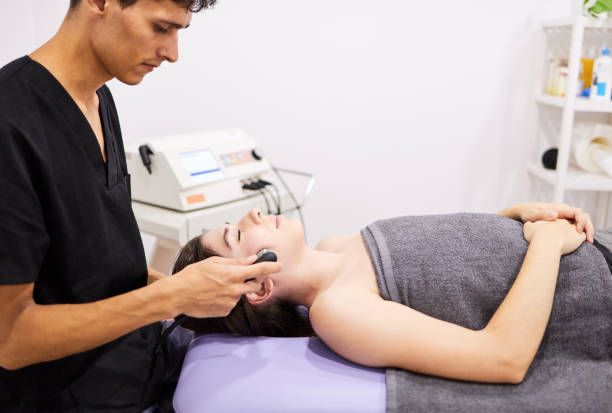
Common Symptoms of TMJ-Related Headaches
People experiencing TMJ-related problems may notice several symptoms together. These can include jaw soreness, facial muscle tenderness, headaches near the temples, and discomfort while chewing.
Some patients also experience clicking sounds, stiffness, or difficulty opening their mouths comfortably. Teeth grinding and clenching may contribute to morning headaches or jaw muscle fatigue. Persistent or severe headaches require proper medical evaluation rather than assuming they are caused by the jaw.
Common Causes of Jaw Pain and Headaches
Several factors may contribute to jaw discomfort and associated headaches. Teeth grinding and unconscious clenching can place repeated pressure on the jaw muscles.
Stress may increase muscle tension and encourage clenching habits. Other possible causes include jaw injuries, arthritis, joint irritation, and certain dental conditions. Identifying the source of symptoms is important because treatment varies depending on the underlying problem.
How a Dental Clinic Can Help Identify the Cause
A professional examination can help determine whether headaches may be associated with jaw problems or another dental condition. The clinician may review the patient's symptoms, examine jaw movement, and look for signs of teeth grinding.
A Dental Clinic can also assess tooth wear, muscle tenderness, and discomfort around the jaw joint. If symptoms suggest another medical condition, referral for further evaluation may be recommended.
TMJ and Jaw Pain Assessment at a Dental Clinic
During an assessment, the clinician may observe how the jaw opens and closes, check for restricted movement, and identify tender areas around the face and temples. They may also ask about headache frequency, sleep habits, and daytime clenching.
Imaging may be considered when clinically necessary, particularly if a specific joint problem or injury is suspected.
Treatment Options for TMJ-Related Jaw Pain
Treatment depends on the cause and severity of symptoms. Many patients improve with conservative approaches that reduce pressure on the jaw and support comfortable movement.
Lifestyle Adjustments
Temporarily choosing softer foods may reduce chewing strain during painful periods. Avoiding chewing gum, hard foods, and excessive jaw opening can also help limit unnecessary movement.
Keeping the jaw relaxed and reducing habitual clenching may support muscle comfort.
Warm or Cold Compresses
A warm compress may help relax tense muscles, while a cold compress may provide temporary relief for some types of discomfort. Apply either carefully and avoid extreme temperatures against the skin.
Custom Oral Appliances
For selected patients who grind their teeth, a professionally recommended custom oral appliance may help protect tooth surfaces. It does not cure every TMJ condition, so an assessment is important before using one.
Physical Therapy
Guided physical therapy may help improve jaw movement, muscle flexibility, and coordination. Exercises should be tailored to the patient's condition and should not increase pain.
When Should You Seek Medical or Dental Advice?
Consult a professional if jaw pain and headaches continue, chewing becomes uncomfortable, or the jaw repeatedly locks. New, severe, or worsening headaches should also be assessed because they may have causes unrelated to TMJ problems.
Seek urgent medical attention for a sudden extremely severe headache, weakness, confusion, vision changes, or difficulty speaking. Significant jaw swelling, fever, or difficulty swallowing or breathing also requires urgent assessment.
Final Thoughts
Jaw problems and headaches can sometimes occur together, particularly when muscle tension or teeth grinding is involved. However, identifying the actual cause is essential before choosing a treatment approach. Appropriate TMJ Treatment and healthy jaw habits may help reduce discomfort and support better everyday function.