
Healthy gums are essential for maintaining strong teeth and overall oral health. Gum problems can sometimes develop without obvious symptoms, making regular dental examinations important. A Panoramic Dental X Ray in Dubai provides a broad image of the teeth, jaws, and surrounding structures, helping dentists assess certain changes that may be associated with gum disease. Although this imaging technique does not show every detail of the gums, it can provide useful information about the supporting bone and help guide further examination.
Understanding the Connection Between Gum Health and Dental Imaging
Gum health is closely connected to the condition of the bone that supports the teeth. When periodontal disease progresses, it may damage the tissues surrounding the teeth and cause the supporting jawbone to deteriorate. This bone loss can affect tooth stability if the condition is not managed.
A panoramic dental X-ray captures a wide view of both jaws and the teeth in a single image. It can help dentists identify significant changes in bone levels, impacted teeth, and other structural concerns that may require attention.
However, it is important to understand that panoramic imaging cannot diagnose gum disease on its own. Dentists also examine the gums directly and may use periodontal measurements to assess inflammation, gum pockets, and other signs of disease.
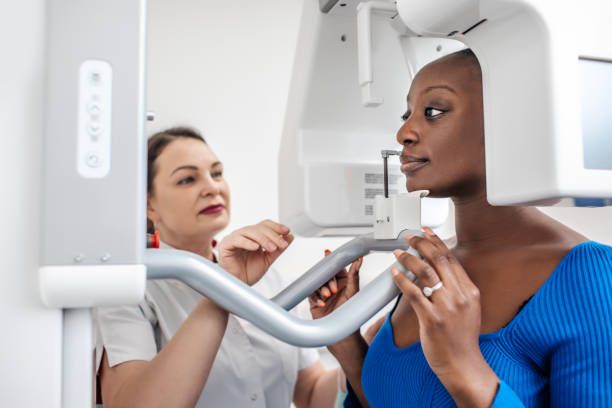
How a Dental Clinic Uses Panoramic Imaging for Gum Assessment
A panoramic image can support a broader evaluation of oral health. During an examination, the dentist reviews the image to assess the jawbone and the areas surrounding the teeth. This may help identify changes that are not immediately visible during a basic visual examination.
The image can also help dentists evaluate whether missing teeth, dental infections, or other structural conditions may be affecting the patient's oral health. When bone loss is suspected, additional examinations may be recommended to understand its extent and possible causes.
The imaging results are considered alongside the patient's symptoms, Dental Clinic history, and clinical findings. This approach helps the dentist develop an appropriate treatment plan rather than relying on an X-ray alone.
Signs of Gum Problems That May Require Dental Evaluation
Gum disease can develop gradually, and early symptoms are sometimes overlooked. Redness, swelling, tenderness, and bleeding during brushing or flossing may indicate gum inflammation. Persistent bad breath and gum recession can also be signs that the gums need professional attention.
In more advanced cases, patients may experience loose teeth, changes in their bite, or discomfort while chewing. These symptoms should not be ignored because untreated periodontal disease can damage the tissues and bone that support the teeth.
A panoramic dental X-ray may help reveal certain bone changes associated with advanced periodontal problems. Nevertheless, early gum inflammation may not appear on the image, so a clinical gum examination remains essential.
The Role of a Dental Clinic in Periodontal Examination
Professional Gum Assessment at a Dental Clinic
A complete periodontal assessment involves more than taking an X-ray. The dentist examines the colour, shape, and condition of the gums and checks for bleeding, swelling, and recession. A periodontal probe may be used to measure the spaces between the teeth and gums, helping identify periodontal pockets.
These measurements provide important information about the health of the supporting tissues. The dentist may also review previous dental images to compare changes in bone levels over time.
If additional information is required, other imaging methods may be recommended. For example, smaller intraoral X-rays can provide more detailed views of specific teeth and their supporting bone. The choice of imaging depends on the patient's condition and the information needed for diagnosis.
Benefits of Panoramic Dental Imaging for Oral Health
One of the main advantages of panoramic imaging is its ability to capture a broad view of the mouth in a single scan. This can help dentists evaluate both jaws, identify missing or impacted teeth, and review general bone structure.
The procedure is also relatively quick and does not require placing an X-ray sensor inside the mouth. This can make it more comfortable for patients who have difficulty tolerating intraoral imaging.
Another benefit is that the image can support treatment planning when several dental concerns need to be evaluated together. Dentists may use it as part of an overall assessment before recommending periodontal treatment, tooth extraction, or other dental procedures.
However, panoramic images have limitations. They may not provide enough detail to evaluate small areas of bone loss or early gum disease. The dentist may therefore recommend additional tests when a closer examination is necessary.
How to Prepare for a Panoramic Dental X Ray
Preparing for a panoramic dental X-ray is usually straightforward. Patients may be asked to remove glasses, jewellery, hair accessories, and other metal objects around the head and neck because these can interfere with the image.
During the scan, the patient generally stands or sits in the correct position and gently bites on a positioning guide. The imaging machine rotates around the head while capturing the required views.
It is important to remain still throughout the procedure to help produce a clear image. Patients should also inform the dental team if they are pregnant or think they may be pregnant before undergoing dental imaging. The dentist can then assess whether the scan is appropriate and discuss any necessary precautions.
Treatment Options for Gum Problems
Treatment depends on the severity and type of periodontal condition. Early gum inflammation may improve with professional cleaning and better daily oral hygiene. Removing plaque and hardened deposits can help reduce irritation and support healthier gums.
For more advanced periodontal disease, deep cleaning procedures such as scaling and root planing may be recommended. These treatments remove deposits from below the gumline and smooth the affected tooth roots.
In some cases, additional periodontal procedures may be required to manage damaged tissues or address deeper gum pockets. Regular follow-up appointments are important because gum disease can return if plaque control and professional care are neglected.
Maintaining Healthy Gums After Assessment
Daily oral hygiene plays an important role in preventing gum problems. Brushing twice a day with a soft-bristled toothbrush and cleaning between the teeth can help remove plaque from areas that a toothbrush may miss.
Patients should also attend regular dental checkups and follow their dentist's recommendations for professional cleaning. Avoiding tobacco products and maintaining a balanced diet can further support oral health.
If gums bleed regularly, become swollen, or begin to recede, arranging a dental examination is advisable. Early attention can help prevent minor concerns from progressing into more serious periodontal problems.
Final Thoughts
Gum health is an important part of maintaining strong teeth and a healthy smile. A Panoramic Dental X Ray can provide useful information about the jawbone and supporting structures, but it should always be combined with a professional gum examination for a complete assessment. Regular checkups, good oral hygiene, and timely treatment can help protect your gums and preserve your natural teeth.