
A healthy smile requires more than brushing your teeth occasionally. Consistent oral hygiene, regular dental examinations, and timely treatment all contribute to maintaining strong teeth and healthy gums. General Dentistry in Dubai provides preventive and restorative dental care to help patients protect their smiles and address common oral health concerns.
Whether you want to prevent cavities, manage tooth sensitivity, or maintain the appearance of your natural teeth, routine dental care can make a meaningful difference. Understanding the importance of everyday habits and professional support helps you maintain your smile over the long term.
Why Is Smile Maintenance Important?
Your smile is an important part of your appearance, but oral health also affects everyday activities such as speaking, eating, and chewing. Neglecting dental care can lead to cavities, gum disease, tooth damage, and other problems that may require more extensive treatment.
Regular dental care helps identify these concerns early. It also allows your dentist to monitor existing fillings, crowns, and other restorations to ensure they remain in good condition.
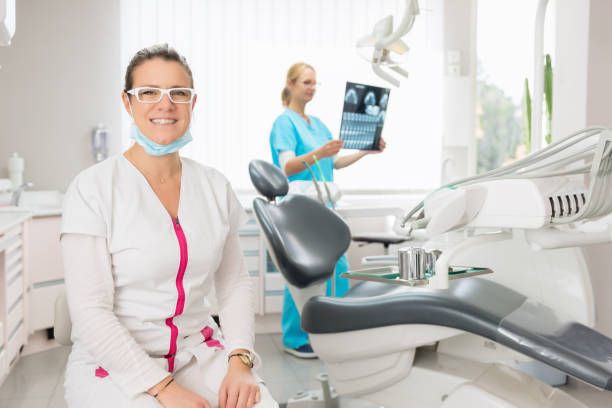
The Role of Preventive Dental Care
Preventive care focuses on reducing the risk of dental problems before they develop or become more serious. It includes routine examinations, professional cleaning, fluoride treatments when appropriate, and personalised oral hygiene advice.
Visiting a professional Dental Clinic allows your dentist to assess your teeth and gums and recommend care based on your individual needs.
Routine Examinations at a Dental Clinic
During a routine examination, the dentist checks for cavities, gum inflammation, enamel damage, and other oral health concerns. Dental X-rays may be recommended when necessary to examine areas that are not visible during a normal checkup.
These examinations help detect potential problems early and support informed decisions about preventive or restorative treatment.
Daily Habits for Maintaining a Healthy Smile
Professional dental care is important, but your daily habits have a major influence on oral health. Following a consistent routine helps reduce plaque buildup and protects your teeth.
Brush Twice a Day
Brush your teeth twice daily with fluoride toothpaste. Use a soft-bristled toothbrush and clean all tooth surfaces gently for about two minutes.
Pay attention to the gumline and the back teeth, where plaque can easily collect. Replace your toothbrush every three to four months or when its bristles become worn.
Floss Daily
Flossing removes plaque and food particles from between teeth and beneath the gumline. These areas are difficult to clean properly with a toothbrush alone.
Daily flossing helps reduce the risk of cavities between teeth and supports healthier gums.
Maintain a Balanced Diet
Your eating habits can influence your dental health. Frequent consumption of sugary snacks and acidic drinks can contribute to enamel damage and tooth decay.
Choose a balanced diet that includes vegetables, fruits, dairy products, and other nutrient-rich foods. Drinking water regularly also helps wash away food particles and supports saliva production.
Common Dental Treatments That Protect Your Smile
Even with good oral hygiene, dental problems can sometimes occur. General dental treatments help repair damage and maintain the function of natural teeth.
Dental Fillings
Fillings are used to restore teeth affected by cavities. The dentist removes the decayed portion and fills the space with a suitable material, helping restore the tooth's shape and function.
Professional Teeth Cleaning
Professional cleaning removes plaque and hardened tartar that cannot be eliminated through regular brushing alone. It also helps reduce surface stains and supports gum health.
Treatment for Tooth Sensitivity
Tooth sensitivity may result from enamel wear, gum recession, cavities, or damaged fillings. A dentist examines the affected teeth and recommends treatment according to the underlying cause.
How to Protect Your Teeth From Damage
Daily habits and preventive measures can help reduce the risk of accidental tooth damage.
Avoid chewing ice or extremely hard objects.
Do not use your teeth to open packaging.
Wear a mouthguard during contact sports.
Avoid smoking and tobacco products.
Attend regular dental examinations.
Address tooth pain or sensitivity promptly.
If you grind your teeth during sleep, discuss it with your dentist. A custom night guard may help protect your teeth from excessive pressure.
When Should You Schedule a Dental Checkup?
Many people benefit from routine dental examinations every six months, although the recommended frequency varies. Patients with gum disease, frequent cavities, or other dental concerns may need more frequent visits.
You should also arrange an appointment if you notice bleeding gums, persistent bad breath, tooth sensitivity, swelling, or pain while chewing. Early assessment can help prevent minor concerns from developing into more complicated conditions.
Final Thoughts
Maintaining a healthy smile requires regular attention, good oral hygiene, and timely professional care. Brushing twice daily, flossing, eating a balanced diet, and attending dental checkups can help protect your natural teeth. Consistent General Dentistry care supports long-term oral health and helps keep your smile healthy and confident.