
A Dental Implant Infection in Dubai can cause gum swelling, bleeding, tenderness, and sometimes discharge around the implant. Depending on the cause and severity, a dentist may recommend professional cleaning, specialised treatment, or antibiotics as part of a wider care plan. However, antibiotics are not necessary for every implant infection. Proper diagnosis is essential to choose treatment that addresses the source of the problem.
Understanding how antibiotics work and what other care may be needed can help patients make informed decisions about their dental health.
Can Antibiotics Treat a Dental Implant Infection?
Antibiotics are medicines used to treat certain bacterial infections. In some cases, a dentist may prescribe them when an implant infection involves spreading infection, significant swelling, or other clinical signs that justify their use.
However, antibiotics alone may not resolve an infection caused by bacterial deposits around an implant. The dentist may also need to remove plaque, clean the affected area, or perform another procedure to control the source of inflammation.
Taking antibiotics without professional advice is not recommended. The correct medicine, dose, and duration depend on the patient's condition, medical history, and the type of infection.
When Might a Dentist Prescribe Antibiotics?
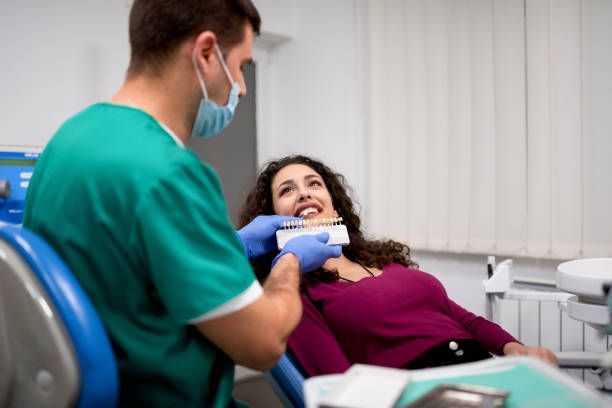
A dentist evaluates the symptoms and examination findings before deciding whether antibiotics are appropriate. Mild inflammation around an implant may be managed through professional cleaning and improved oral hygiene without antibiotics.
If there is an abscess, spreading infection, fever, or significant swelling, additional treatment may be required. Antibiotics may be prescribed in selected cases alongside procedures that address the source of infection.
Patients should tell their dentist about allergies, current medicines, and existing medical conditions before starting any antibiotic.
Why Self-Medicating Can Be Risky
Using leftover antibiotics or taking medicine prescribed to someone else can lead to incorrect treatment. It may also cause side effects and contribute to antibiotic resistance.
Stopping a prescribed course early or changing the dose without advice can also create problems. Always follow the instructions provided by your healthcare professional.
Professional Treatment at a Dental Clinic
Before recommending antibiotics, the dentist needs to identify what is causing the infection. This may involve checking the gums, measuring pockets around the implant, and taking dental X-rays to assess the supporting bone.
Treatment may include removing bacterial deposits from the implant surface, cleaning the surrounding tissues, and addressing any problems with the implant crown or bite.
In more advanced cases, surgical treatment may be necessary to access and clean the affected area. The treatment plan depends on the extent of inflammation and bone damage.
The Importance of an Experienced Dental Clinic
Implant infections require careful assessment because the treatment must protect the implant and surrounding tissues. An experienced dental team can determine whether antibiotics are appropriate and whether additional procedures are needed.
A Dental Clinic can also provide instructions for cleaning around the implant and arrange follow-up visits to monitor healing.
Home Care During Treatment
Following your dentist's instructions is important while recovering from an implant infection. Brush gently with a soft-bristled toothbrush and clean around the implant as advised.
Your dentist may recommend a specific mouth rinse or interdental cleaning tool. Use these products according to professional instructions rather than choosing strong antiseptic products yourself.
If chewing is uncomfortable, temporarily choose softer foods and avoid placing unnecessary pressure on the affected area. Drink enough water and maintain a balanced diet to support general health.
Avoid smoking because it can interfere with gum healing and increase the risk of implant complications.
Possible Side Effects of Antibiotics
Like other medicines, antibiotics can cause side effects. Some people experience nausea, diarrhoea, stomach discomfort, or skin reactions.
Allergic reactions can also occur. If you develop difficulty breathing, swelling of the face or throat, or another severe allergic reaction, seek emergency medical help.
Contact your dentist or prescribing healthcare professional if you experience concerning side effects. Do not change your medication without professional advice.
How to Reduce the Risk of Future Infection
Good oral hygiene is essential for preventing bacterial plaque from accumulating around an implant. Brush twice daily and use suitable interdental brushes or floss to clean areas that a toothbrush cannot reach.
Attend regular dental check-ups so your dentist can examine the gums and monitor the supporting bone. Patients with a history of gum disease or other risk factors may need more frequent maintenance.
Avoid tobacco, manage health conditions such as diabetes with appropriate medical support, and follow the care instructions provided after implant treatment.
When to Seek Urgent Dental Care
Contact your dentist if you notice persistent bleeding, swelling, pus, increasing pain, or an unpleasant taste around the implant. These symptoms may indicate an infection that needs professional attention.
Seek urgent medical or dental care if swelling spreads rapidly, you develop a fever with worsening symptoms, or you have difficulty swallowing or breathing. Breathing or swallowing difficulties require emergency attention.
Final Thoughts
Treating Dental Implant Infection may involve professional cleaning, specialised procedures, and antibiotics when clinically appropriate. Antibiotics are not a complete solution for every implant problem, so identifying and treating the underlying cause is essential. Following professional instructions, maintaining good oral hygiene, and attending regular check-ups can help protect implant health.