
Breast Filler Injections in Dubai may be advertised as a non-surgical way to change breast size or shape. However, patients should understand the possible long-term health concerns before considering this type of cosmetic treatment. Dermal fillers are not an established or FDA-approved method of breast enlargement. The FDA warns against using them for breast enhancement and other large-scale body contouring because complications can be serious and difficult to manage. Understanding these concerns can help patients make informed decisions about their health.
Understanding the Long-Term Risks
Some complications associated with injectable materials may develop immediately, while others can appear later. Their severity depends on factors such as the material used, the amount injected, and individual medical circumstances.
Potential concerns include persistent inflammation, infection, lumps, scarring, tissue damage, and filler migration. Some complications may require specialised medical treatment or surgery.
Patients should be cautious of claims suggesting that breast fillers provide permanent results without ongoing medical concerns. Cosmetic marketing should never replace evidence-based medical information.
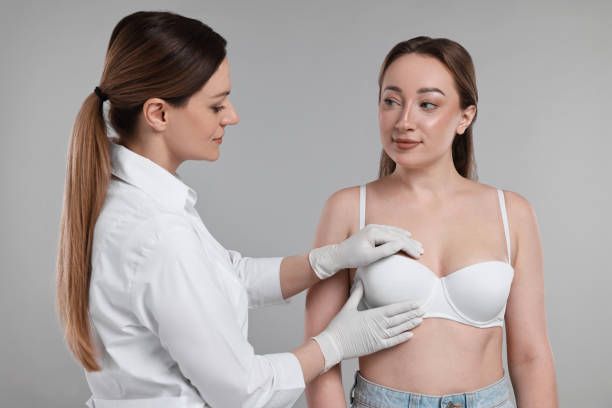
Persistent Lumps and Changes in Breast Tissue
One possible concern after injectable treatments is the development of lumps or irregular areas beneath the skin. These changes may affect breast appearance and require medical investigation.
Persistent lumps should not automatically be assumed to be harmless filler-related changes. A healthcare professional should assess any new or unusual breast lump to determine its cause.
Breast Augmentation Lab: Understanding Long-Term Differences
The phrase Breast Augmentation Lab is not a recognised medical name for a standard breast enhancement procedure. Breast augmentation generally refers to recognised surgical procedures involving implants or, for selected patients, fat transfer. These options are different from injectable dermal fillers.
Understanding this distinction is important because each procedure has different long-term considerations. A qualified specialist can explain the possible complications and follow-up requirements of recognised breast enhancement procedures.
Infection, Inflammation, and Tissue Damage
Infection and inflammation may develop after injections and can sometimes become persistent. Symptoms such as increasing redness, warmth, swelling, pain, or discharge should receive medical attention.
In some cases, injected materials may contribute to tissue damage or scarring. Treatment can be challenging if the material has spread or become difficult to remove.
Patients who experience severe or rapidly worsening symptoms should seek urgent medical care rather than attempting home treatment.
Effects on Future Breast Imaging
Breast imaging plays an important role in evaluating breast health. Previous cosmetic injections may create changes in breast tissue that complicate the interpretation of imaging examinations.
Anyone who has received breast injections should inform their doctor and breast imaging specialist before a mammogram, ultrasound, or other examination. This information helps medical professionals consider the patient's full history when interpreting findings.
New lumps, pain, nipple discharge, or other unusual breast changes should always be evaluated appropriately.
Choosing a Qualified Breast Specialist
People concerned about previous injections or considering breast enhancement should seek advice from an appropriately qualified medical professional.
A responsible Breast Clinic should explain the medical evidence, potential complications, and limitations of each procedure. Patients should also verify the provider's qualifications, facility licensing, and whether a proposed product is authorised for its intended use by the relevant UAE health authority.
Avoid providers who promise guaranteed results or dismiss questions about long-term safety.
Recognised Alternatives to Breast Filler Injections
People interested in changing breast appearance can discuss recognised alternatives with a qualified specialist. Breast augmentation using implants is an established surgical option for increasing breast volume. Fat transfer may be suitable for selected patients, although the results and amount of volume change can vary.
A breast lift focuses on improving breast position and addressing sagging rather than primarily increasing size. Each option has different risks, limitations, and recovery requirements.
A personalised medical assessment is necessary to understand which options may be appropriate.
When to Seek Medical Advice
Anyone who has already received breast injections should seek medical assessment for persistent or worsening pain, swelling, redness, warmth, unusual lumps, discharge, fever, or skin discolouration. Severe or rapidly worsening symptoms require urgent medical attention.
Do not attempt to massage, dissolve, or remove injected material without professional guidance. Inform healthcare providers about the product used and when the injections were performed, if this information is available.
Final Thoughts
Long-term health considerations should be part of every cosmetic treatment decision. Breast Filler Injections are not an established or FDA-approved method of breast enlargement, and possible complications may require ongoing medical attention. Understanding the risks, informing healthcare professionals about previous injections, and discussing recognised alternatives can help patients make decisions that prioritise breast health and safety.